

Thank you for Subscribing to Eldercare Review Weekly Brief

Hunterdon Health
Karla Gambrill, PT, DPT, Director of Home Health
Leading Home Health With A Patient-First Purpose
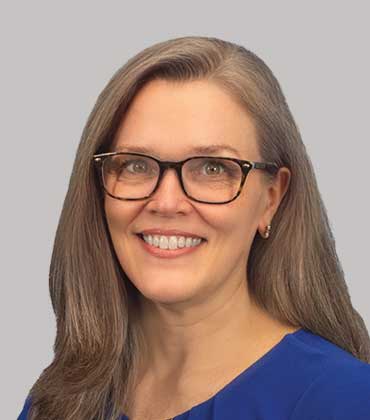
Karla Gambrill
Decades of experience in patients' homes shaped Karla Gambrill's approach to healthcare leadership. Today, she serves as Director of Home Health at Hunterdon Health, where she builds the systems that support consistent patient care.
“What is best for our patients?” For Karla Gambrill, that question comes before every strategy and decision. Starting her journey as a field physical therapist, she learned that no two home visits looked alike. Patients needed care tailored to their own situation, and she needed a structure solid enough to trust her own judgment within it. Over time, she noticed a pattern. When quality slipped, it was rarely the clinician's fault. It was usually the system asking too much without giving enough support. That pattern became the foundation of her leadership at Hunterdon, where she builds the education, processes and support that help clinicians deliver consistent, informed care in every home they enter. Gambrill now sees home health as a team sport, where nurses, therapists, social workers, pharmacists, aides and office staff coordinate around each patient from day one. It is a mindset Hunterdon builds into orientation and carries into everyday practice. Turning Quality Measures into Clinical Tools One initiative Gambrill points to is how Hunterdon’s clinicians use the Outcome and Assessment Information Set, or OASIS. Many clinicians treat it as routine paperwork to complete and file away. Gambrill pushed her teams to see it differently as a clinical tool that shows whether a patient can safely manage at home without help. Making that shift meant training clinicians in clinical reasoning and consistent scoring. An accurate OASIS score isn’t just a number. It directly shapes the care plan a patient receives, from the goals that are set to the support that follows.Our goal has never been to improve scores on paper. Our goal is always to improve our patients’ lives.
The articles from these contributors are based on their personal expertise and viewpoints, and do not necessarily reflect the opinions of their employers or affiliated organizations.
