

Thank you for Subscribing to Eldercare Review Weekly Brief

Stoneridge Creek
Susan Filice, Experience Strategist and Life Enrichment Director
Creating Cultures of Well-Being Designing Communities Where People Continue to Thrive
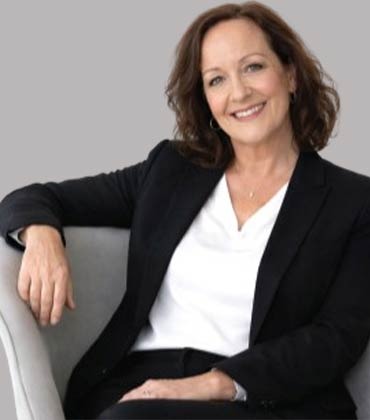
Susan Filice
When I joined Stoneridge Creek, I wasn’t thinking about creating a wellness framework. I wanted to understand how residents envisioned this chapter of their lives and what they hoped retirement in a vibrant continuing care community could become.
As I listened, residents shared remarkably consistent themes. They wanted to remain healthy and independent. They wanted opportunities to keep learning, build meaningful relationships, contribute their talents, and live with purpose. They weren’t looking to slow down. They were looking for a community that would support the life they still wanted to live. That realization changed my perspective. Rather than asking what programs we should offer, we began asking a different question: How do we intentionally create an environment where every experience supports people in living well? Designing Experiences That Matter My career began in luxury hospitality at Pebble Beach Resorts, where I had the privilege of working on nationally recognized events including the ATCT Pebble Beach Pro-Am, the U.S. Open, and the Concours d’Elegance. Those experiences taught me something that has stayed with me throughout my career: memorable moments are never accidental. They are intentionally designed. Later, while coordinating physician symposiums and community health initiatives, I realized that regardless of the setting, people share many of the same hopes. They want to feel welcome. They want to belong. They want to continue learning, contributing, and finding meaning in the experiences around them. That understanding eventually led me to senior living, where thoughtful experience design could influence not just a single event, but the rhythm of everyday life. Listening Before Leading When I arrived at Stoneridge Creek, our community was preparing for significant growth. A new phase was opening, bringing in hundreds of new residents, demographics were changing, and we had a unique opportunity to think differently about what retirement could look like. Rather than beginning with solutions, we began by listening. Resident conversations, advisory committees, surveys, informal discussions, and countless hallway conversations all became part of an ongoing dialogue. Over time, a clear picture emerged. Residents weren’t asking us to keep them busy. They wanted opportunities to continue growing. Those conversations became the foundation for what would evolve into Beyond Living, not as another initiative, but as a philosophy that continues to guide how we design community. Beyond Living: A Culture, Not a Program Beyond Living is often described as a wellness initiative, but to us it represents something much larger. It is a shared commitment to creating an environment where healthy aging, purpose, and human connection are woven into everyday life. We discovered that quality of life isn’t shaped by one fitness class or one educational lecture. It grows through the accumulation of meaningful experiences, sharing a healthy meal with friends, building strength and confidence, discovering new ideas, mentoring others, volunteering, laughing together, and finding renewed purpose in each stage of life. When those experiences are intentionally connected, living well becomes part of the culture rather than another initiative. That philosophy naturally changed how we worked together as an organization. Dining became part of the wellness journey rather than simply providing meals. Fitness focused on helping residents maintain strength, confidence, and independence. Educational programming expanded opportunities for lifelong learning and brain health. Resident leadership, volunteerism, and social engagement became meaningful expressions of purpose and belonging. Departments moved from working in parallel to pursuing one shared goal: a healthier, more connected community where every interaction supports quality of life. Residents as Partners One of the most rewarding shifts has been seeing residents become true partners in shaping the community. Great ideas often begin with a conversation. Through resident committees, proposal processes, and ongoing collaboration, those ideas evolve into experiences that reflect both individual passions and community aspirations. That partnership creates something far more meaningful than participation: ownership.Well-being is not created through a single program. It is cultivated through a community where purpose, connection, learning, movement, and belonging become part of everyday life.
The articles from these contributors are based on their personal expertise and viewpoints, and do not necessarily reflect the opinions of their employers or affiliated organizations.
